
Zimbabwe
National Flag of Zimbabwe
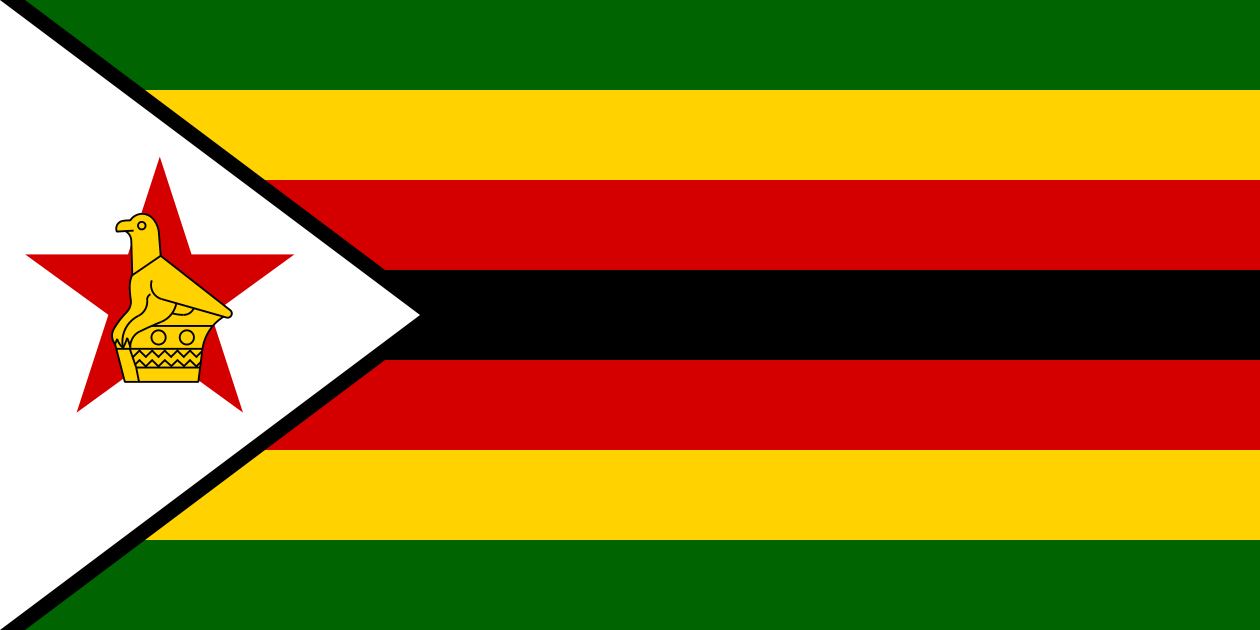
🇿🇼 Country Profile: Zimbabwe
🌍 Introduction
Zimbabwe is a landlocked Southern African country known for its high plateaus, wildlife reserves, and ancient stone-built heritage sites. Located between the Zambezi and Limpopo river systems, it features varied landscapes and important ecological zones. Its geography includes upland plateaus, granite hills, river valleys, and savanna regions.
📌 General Overview
Official Name: Republic of Zimbabwe.
Capital: Harare.
Official Languages: English, Shona, and Ndebele (among several recognized languages).
Government Type: Presidential republic.
Currency: Zimbabwe Gold (ZiG) and multiple foreign currencies in circulation.
Time Zone: Central Africa Time (CAT).
🗺️ Country-Specific Maps
Political maps show provincial boundaries, major cities, and international borders. Administrative maps present provinces and districts. Physical maps highlight high plateaus, granite outcrops, and river valleys. Hydrology maps show the Zambezi and Limpopo river systems and major dams. Transportation maps display highways, rail corridors, and border routes. Thematic maps often include land use, mining zones, and conservation areas.
👥 Demography & Population
Zimbabwe has an estimated population of about 16 million people. Major cities include Harare, Bulawayo, and Mutare. Population distribution is higher in central and eastern highland regions. Many communities live in rural agricultural areas. Urban centers serve as commercial and administrative hubs.
🏛️ Administrative Divisions
Zimbabwe is divided into provinces and metropolitan provinces, which are further subdivided into districts and local authorities. Provincial capitals function as administrative and service centers. Local councils manage community-level governance.
💰 Economy & Industries
The economy is supported by mining, agriculture, manufacturing, and services. Key mineral sectors include gold, platinum, and other metals. Agriculture includes tobacco, maize, and horticultural crops. Small industry and trade contribute to employment.
🌟 Places of Interest & Tourism
Notable places include Victoria Falls, major national parks, granite hill landscapes, and the historic Great Zimbabwe ruins. Wildlife reserves and heritage sites are major attractions. Safari and heritage tourism are key themes.
🚆 Transportation & Connectivity
Transportation infrastructure includes highways, railways, and airports. Rail and road networks connect major cities and neighboring countries. Border corridors support regional trade. Air travel links main urban centers.
🌦️ Climate & Geography
Zimbabwe has a tropical savanna climate moderated by elevation. There is a rainy season and a dry season. Highland areas are cooler than lowveld regions. Terrain is largely plateau with scattered hills and river valleys.
📜 History & Culture
Zimbabwe has a long history of powerful regional kingdoms and stone-built cities. Cultural traditions include music, dance, crafts, and oral heritage. Stone architecture and archaeological heritage are nationally significant.
📌 Quick Facts & Trivia
Great Zimbabwe is one of Africa’s most important ancient stone sites. Victoria Falls lies on its northwestern border. Much of the country sits on a high plateau. Gold and platinum are major mineral resources. Wildlife parks protect large savanna ecosystems.
Downloads
Download JSON file Download KML file Download Shapefile Download FlagTopics covered